

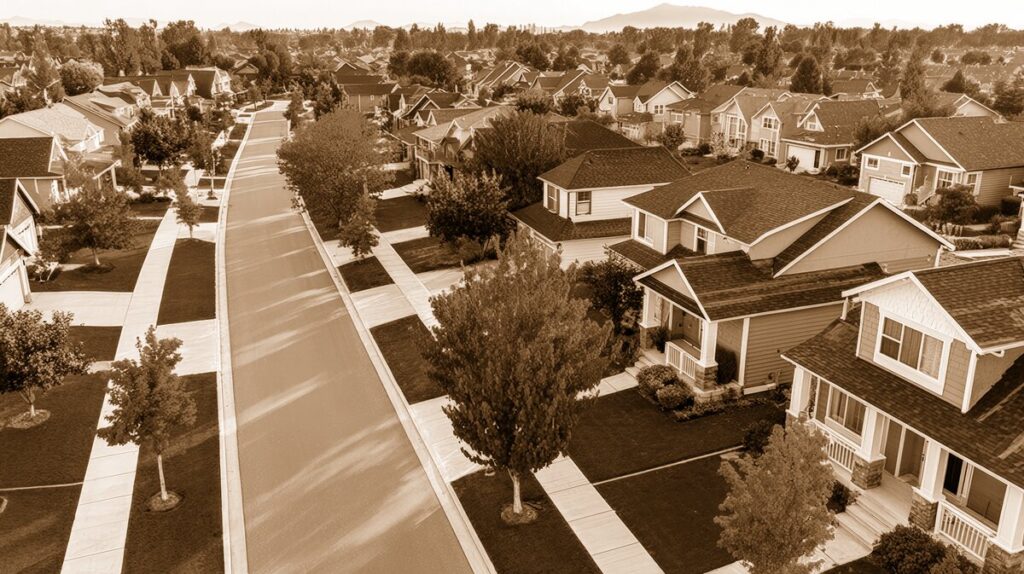
Nestled south of downtown Asheville, The Ramble at Biltmore Forest is more than just a neighborhood — it’s a tapestry of history woven into the beautiful Blue Ridge landscape. With its origins tied to the iconic Biltmore Estate, thoughtfully planned streets, and reverence for the natural world, The Ramble is a community with a unique heritage and a vision for creative, connected living.
Origins of The Ramble: Threads of Biltmore’s Past
To understand The Ramble’s story, you first have to wander back to the late 19th century, when George W. Vanderbilt imagined a sprawling estate on the outskirts of the bustling city of Asheville. The land that is now The Ramble was once part of the expansive Biltmore Estate — tens of thousands of forested acres shaped under the guidance of famed landscape architect Frederick Law Olmsted.
Vanderbilt’s vision was for a harmonious blend of nature and cultivated land, and that philosophy still echoes through The Ramble’s winding roads and preserved green spaces today. For many decades, this area remained wooded and private, a hidden jewel within the Biltmore legacy.
How The Ramble Got Its Name
The neighborhood’s evocative name, “The Ramble,” draws inspiration directly from Olmsted’s landscape language. In New York’s Central Park, Olmsted designed a section called “The Ramble,” a wild, meandering woodland haven at the park’s heart. Asheville’s own Ramble echoes this spirit — a place meant for wandering, discovery, and connection with nature. The very word “ramble” means to stroll or wander without haste, a nod to the joy of slow exploration within one’s own backyard.
Key Historical Milestones
- Early 1900s: The land that would become The Ramble was integral to the Biltmore forestry program, one of the country's earliest scientifically managed forests.
- 1920s-1980s: While nearby areas developed, this land remained largely untouched, protecting old growth and serving as a tranquil buffer between Asheville and burgeoning Biltmore Forest.
- 2005: The Ramble at Biltmore Forest was officially founded by Biltmore Farms, the company carrying forward Vanderbilt’s original vision. Their aim: to honor the legacy of Olmsted and the Biltmore Estate through a new kind of planned community.
Notable Landmarks and Institutions
While The Ramble is a gated, residential community, it features several spots beloved by residents and the wider Asheville community:
- Longmeadow Park: The heart of the neighborhood, this expansive park along Ramble Way offers open lawns, playgrounds, streams, walking trails, and gathering spaces for events ranging from cookouts to outdoor concerts.
- Living Well Center: A modern gem, this wellness complex on Ramble Way is a hub for neighbors, offering a fitness center, saline pool, demonstration kitchen, and welcoming lounges designed for community connectivity.
- Shaded Trails and Woodlands: More than 300 acres of preserved forest weave through the neighborhood, including tranquil segments of Dingle Creek and Beaver Dam Creek. Trails like Overbrook and Valley Springs wind through native woodlands, staying true to Olmsted’s philosophy of immersion in nature.
Local roads such as Valley Springs Road and Ramble Way intersect the neighborhood, guiding residents past clusters of beautifully designed homes — each built to complement the land’s natural contours.
The Evolution of the Community
The Ramble was conceived as a progressive response to suburban sprawl. From its birth, the neighborhood’s master plan stressed environmental stewardship, architectural harmony, and fostering neighborly connections. The architecture reflects a blend of classic Appalachian, Craftsman, and contemporary influences, arranged to maximize views and green space.
- Homes are purposefully set back from the street, many with deep porches and native plant landscaping.
- Social events, including “Ramble Rallies,” holiday gatherings, and outdoor movie nights, build the neighborhood’s legendary sense of belonging.
- Residents volunteer for trail maintenance, pollinator gardens, and historical preservation efforts, making The Ramble a tight-knit, active community.
Over the years, The Ramble has continued to grow while keeping its character intact. Its roads remain quiet, its canopy thick, and its ethos rooted in the magical balance between people and place. The growth of Asheville’s South side and proximity to institutions like the Blue Ridge Parkway and Biltmore Park Town Square have made The Ramble an attractive oasis for families, retirees, and professionals alike.
A Lasting Heritage
Above all, what makes The Ramble truly unique is its commitment to honoring both heritage and innovation:
- The genetic thread back to Vanderbilt’s conservationist vision is alive not only in the land but in neighborhood traditions.
- Annual events such as nature walks, art fairs, and history talks pay tribute to both the history and the ongoing creativity of Ramble residents.
- The neighborhood’s covenant protects old growth trees and stream corridors, a living reminder that being a good neighbor also means being a good steward.
The Ramble’s Place in Asheville’s Story
Today, The Ramble stands as one of Asheville’s most thoughtfully planned neighborhoods, providing a living example of how the area’s rich history can guide a community’s future. Residents don’t just live on former estate lands — they carry forth a piece of Western North Carolina’s legacy, whether hiking the wooded trails, gathering at Longmeadow Park, or simply savoring an evening on the porch listening to the crickets.
Walking through The Ramble, you feel the quiet sense of intention — a place created not just for houses, but for lives well-lived, in harmony with Appalachian woods and the city’s creative heartbeat. From its Biltmore roots to its thriving present, The Ramble remains a neighborhood where history is alive and the story is still unfolding, one rambling stroll at a time.